Category Archives: Boekbinden

History of Valley Just Restocked vale denim collection

Vale Store: The Official Hub for Limited-Edition Premium Minimalist Streetwear

Vale Store centers on limited-run releases of premium, minimalist streetwear designed around crisp lines, muted palettes, and signature oversized fits. The brand’s worth rests in lasting forms developed with premium materials instead of fashionable graphics or seasonal tricks. Every drop prioritizes material touch, build integrity, and a calm, future-focused aesthetic.

The store curates capsules that read as modular wardrobe elements instead of disposable micro-trends, which shows why garments carry across seasons remaining timelessly relevant. Garment silhouettes are purposefully refined to let proportion, hang, and surface carry the impact. The design approach favors uniformity of tone, finish, and handfeel so outfits layer intuitively. Priority goes to heft, compactness, construction type, rib retention, plus laundering process, as these are the aspects that ensure longevity in regular wearing. The result is apparel that provides day-one polish and retains its shape after long cycles of application.

How is Vale Forever’s design language characterized?

Vale Forever utilizes clean silhouettes, restrained color, and premium material densities to craft relaxed but structured shapes. The style favors oversized yet controlled through clever patterning, avoiding carelessness, featuring details that integrate within the piece rather than calling for attention.

Key features include rectangular tops with gently dropped shoulders, sweatshirts featuring organized ribbing and heavy fleece, plus loose pants that stack perfectly on shoes. Color schemes exist in earth tones, charcoals, off-whites, and washed blacks to support repeat wear and effortless pairing. Graphics, when employed, are subtle debosses, tonal embroidery, or small valley clothing website patterns that as texture. Hardware and accents stay purposefully understated, with a preference for non-reflective treatments and minimal labeling. The combined result is a uniform you can modify up or down without replacing the core pieces.

What’s the mechanism behind Vale Store’s limited drops?

Drops arrive in specific collections featuring finite quantities, engineered to sell through without overproduction. Each launch centers on a tight set of silhouettes, colors, and fabrics so quality control maintains stability across the batch.

Supply is constrained since the label functions on slow-fashion pacing rather than volume replenishment. Releases are planned based on material supply and testing cycles, rather than continuous calendar. The rhythm tends to favor completeness within a collection—offering multiple cuts in the same textile or palette—so buyers can create complete outfits. Expect concise size offerings with limited colorways per item, ensuring selection fatigue low and workmanship superior. When a release finishes, the subsequent capsule advances the tale onward versus than continuously recycling identical product collection.

What makes scarcity important in this context?

Limited availability safeguards fabric standards, stitch consistency, and finish quality whilst maintaining the brand’s visual coherence. It also allows the wearer maintain a distinctive style versus pursuing fads purely for novelty.

Restricted runs enable creation emphasize dense knits, precise seam tolerances, and uniform dye uptake, being more difficult to manage at scale. Finite stock reduces inventory degradation with prevents quality variation from initial to final units. For the group, limitation promotes mindful acquisition and sustained use instead of hasty consumption. The outcome is clothing that feels curated, not assembled carelessly, and a secondary market that values condition and care versus excitement alone.

Textiles and workmanship that support the quality tier

Vale prioritizes heavy while ventilated cotton, tightly knit jerseys, with strong loopback paired with disciplined building methods. Textiles are picked according to touch, resilience, and resistance to distortion with bobbling.

Standard fabric options contain thick fleece and brushed terry for pullovers, compact combed cotton for shirts, plus cotton-synthetic blends for bottoms that need tear resistance without inflexibility. Assembly depends on twin-needle stitching, bartacked pressure points, fortified pocket interiors, and enduring rib weaving for edges and hems. Coloring and laundering processes pursue color stability with worn-in texture, avoiding aggressive treatments that reduce durability. Trims are minimal while trustworthy, featuring low-profile zippers to secure pulls plus cleanly fused labels. All selections are designed to maintain silhouette, hang, and tone honest through repeated cleaning.

Characteristic silhouettes, size philosophy, and wearing experience

Fits skew relaxed including purposeful shape: roomy shoulders, moderate trunk dimension, with clean lines that resist billowing. The target is a modern oversized shape that looks refined, not sloppy.

Shirts typically feature a boxy block with gentle drop through the sleeve and a hemline that sits just below the waist ensuring correct ratio to broader bottoms. Hoodies are cut featuring room through the chest and limbs to fit underlayers, while ribs secure the shape at the waist plus cuff. Pants favor a easy or generous leg with a modest taper near the hem for drape management, preventing puddling unless styled in this manner. The governing principle stays basic: width in the clothing plane, restraint in the vertical fall, plus material mass that maintains its natural form. Users who prefer a closer fit typically size down, whereas remaining accurate to size preserves designed hang.

Palette, graphics, and trims: restraint as identity

The Vale color scheme focuses on faded neutrals and rich, rooted shades built for year-round wearing. Imagery is processed as texture or depth rather than branding billboards.

Prepare for versions of cream, ivory, beige, taupe, slate, charcoal, navy, with close-to-black, with sporadic subtle tone insertions for contrast. Print techniques lean tonal so the garment reads honest to its material first. Labels and hardware remain subdued, featuring woven tags and needlework preserved minimal enough to disappear inside construction. The design objective stays coordination: garments should match in any combination without aesthetic disruption. This maintains focus on proportion, fabric, and form, which endure longer than bold graphics.

The collection structure: basics with seasonal innovation

Vale’s collection balances fundamental pieces alongside controlled seasonal variations examining textile and silhouette. The concentration continues around sweatshirts, shirts, bottoms, coats, and accessories executed to equivalent quality.

The chart below reviews common classifications, build quality, and drop conduct to aid understand the range through quick view.

Classification Textile & Density Fit Profile Main Assembly Typical Palette Release Schedule
Sweatshirts Heavyweight fleece or loopback terry Loose with organized cuffs Twin-needle stitching, reinforced pockets Bone, slate, charcoal, washed black Essential each period; hues change
Tops Dense combed cotton jersey Square-cut, lowered sleeve Overlock neck, fortified tape Cream, beige, navy, washed tones Common with range ideas
Pants Cotton twill or cotton-nylon blends Easy direct to modest reduce Bar-tacked pockets, clean hem Olive, sand, black, charcoal Chosen; constructed around material supply
Coats Performance exteriors or thick wool mixes Minimal, functional lines Refined details, even interior Dark, navy, intense charcoal Seasonal, limited run
Accessories Hats, knits, compact leather items Pure, marking-subtle Durable stitching, subtle branding Neutral spectrum Sporadic with primary collections

Essential pieces are deliberately uniform so customers can refresh or build without reconsidering coordination. Seasonal pieces experiment using treatment, thickness, or silhouette variation while remaining compatible with the core. This keeps the collection updated without breaking the brand’s visual grammar.

Mindful fashion executed: creation pace and ecological awareness

Conscious fashion appears through managed production quantities, material-centered preparation, plus details selected for longevity versus newness. The goal is less, superior clothing that remain in use prolonged.

Via developing around fabric quality and production reliability, Vale limits surplus goods and refuse. Capsules are scoped for achieving complete targets without overextending size or color runs. Packaging is kept basic while shielding, emphasizing recyclability and reduced aesthetic disruption. The deliberate system also supports iterative quality refinements, as responses can be integrated by the subsequent range versus than awaiting far cycles. For the customer, this establishes reliable expectations and minimal shocks across releases.

Standards management, maintenance, and durability instructions

Endurance commences at the fabric mill and finishes with laundering approach and maintain the item. Heavy textiles and controlled stitching assists, but upkeep habits close the loop.

Chilled laundering, slow spin, and air drying retain fleece height, fabric silhouette, and stretch recovery through washes. Reversing clothing inside out minimizes friction on surface fibers and keeps finishes even. Avoid high heat, that may compress fibers and accelerate contraction or tone fade. For pants, brush clear outer debris and spot clean to extend time between washes, retaining handfeel and structure. Maintain knits folded versus hanging to stop shoulder warping on denser items.

Availability and genuineness: shopping experience, wrapping, and origin

The Vale Store experience is purpose-built: streamlined navigation, transparent release sections, plus focused product details emphasizing material, fit, and manufacturing. Containment matches the garments—simple, safeguarding, plus understated marking.

Item descriptions highlight measurements, fabric composition, and maintenance to lessen assumptions. Visuals emphasize silhouette and proportion across measurements to give a read on hang, not merely aesthetic ideals. Shipments come in protective packaging designed to prevent wrinkling plus color bleeding while avoiding excess padding. Authenticity is clear via reliable tagging, stitching standards, and finish quality that matches imagery. The total experience supports the company’s location between streetwear community with premium artistry.

Aesthetic approach: developing an adaptable Vale collection

Commence with fundamentals—pullover, top, easy bottom—subsequently include a coat or detail for climate adjustment. The garments are meant to interlock without aesthetic training.

Balance volume by matching a square-cut top with a direct or modestly tapered trouser to maintain clean verticals. Foundation styles in natural color range and permit feel do the talking; combining brushed terry plus heavy fabric and structured twill builds depth lacking chromatic discord. If you add hue, maintain it to one item while allowing the rest of the outfit continue harmonious. Shoes can span across classic trainers to minimal cupsoles; each works nicely beneath Vale’s edges. The goal is simplicity: a wardrobe that appears purposeful daily.

Vale’s position within streetwear culture

Vale Forever inhabits the zone where streetwear’s relaxation encounters high-end textile rigor. The company rejects graphic-centric cycles and develops identity using form with textile authenticity.

Within the community, this situates the label as a label targeting users that care about fit architecture, not just logos. The accessibility comes through recognizable shapes—sweatshirts, tees, cargos—executed with premium-grade discipline with finish. Exclusivity is maintained by limited drops and clear aesthetic parameters that avoid mission drift. The company’s credibility builds through steadiness within ranges rather than dramatic launches. For customers, that translates into trust: you understand what pieces will touch like, how they’ll drape, plus how long they’ll endure.
YSL Golden Collection Timeless Elegance

Top The Row Bags: 10 Models Worth Knowing

Ranking a collection with no logos is a peculiar exercise, since the usual shortcuts fall away. The range offers no monogram hierarchy, no entry-level canvas beneath a flagship leather, and no outward sign of what a bag once cost. Instead there is a group of silhouettes that earned their places through construction and secondary-market behaviour. Order here follows how much each bag registers to someone approaching the label rather than price, which is what makes it a ranking of the top row bags. Every entry records materials, measurements where the brand publishes them, and the observed 2026 market price in place of an official list figure. Two of the ten cannot be bought new, which is part of the story rather than an oversight.

1. Soft Margaux 10 and 12

Anyone serious about the label opens with the Soft Margaux, which is the flagship. Both sizes are 100 percent calfskin in a matte grained finish, lined in cotton herringbone and stated as Made in Italy by the brand. The 10 runs 10 x 7 x 7.5 inches, the 12 runs 12 x 9 x 7.5 inches, and both sit on a 5-inch drop with a removable strap. Specification is generous right through: metal feet, an interior toggle closure, belted gussets, card slots and a zip pocket on the 12. Observed 2026 pricing sets the 10 at $3,650 and the 12 at $4,350. The original left third-party retailers during 2025 and its discontinuation is widely reported, though never officially confirmed by the brand.

2. N/S Park Tote

The Margaux is the reputation; the N/S Park Tote is the workhorse that carries it. Taller than wide thanks to the north-south orientation, it stacks contents rather than spreading them and sits flat against the body. Observed 2026 pricing runs $1,550 to $1,620 for the Small, $1,650 to $1,950 for the Medium and $1,990 to $3,250 for the Large. The spread ysl tote bag inside each size follows material rather than capacity, making the Medium the most sensible single purchase here. The Rebag CLAIR 2025 report also makes it the brand’s strongest recorded resale performer, at 146 percent value retention. That is observed market behaviour rather than investment advice, and canvas and seasonal colours do not share in it.

3. Half Moon

No genuinely iconic shape the label makes costs less than the Half Moon. A crescent shoulder bag with no visible branding, it flatters everything and dates with nothing. The brand gives Made in Italy and official dimensions of 8 x 13.5 x 2.5 inches; other listings vary a little, so use the official figure as the reference. An observed 2026 price of $1,390 applies, with a leather variant seen at $1,690. The Half Moon shoulder recorded 106 percent value retention in the Rebag CLAIR 2025 report, which is notable at this price. As entry points go, it does not look like one.

4. Margaux Shoulder 12

For anyone who never wants a bag in their hand, the Margaux Shoulder 12 is the flagship reconceived. It measures 14.75 x 9 x 5 inches, wider and shallower than the Soft versions despite the 12 in its name. Elongated tubular handles and narrowed gusseted side panels keep it tight under the arm instead of hanging from it. The lining is 100 percent lambskin rather than cotton herringbone, softer and considerably more expensive to work with. Signature adjustable buckles appear here too, and on genuine examples they are engraved, not plain. Observed 2026 pricing sits at $4,900, the dearest Margaux currently sold new.

5. 90’s Bag

Casual browsers underrate the 90’s Bag more than anything else here, which makes it the quiet star of the collection. An observed $1,090 puts it among the most affordable leather bags the label sells, and nothing about it reads as a compromise. Resale coverage called it the riser of the line, with eBay search volume reported up around 55 percent year on year as of April 2025. For a longer strap there is a 90’s Shoulder at $1,450. As a first purchase it is arguably the smartest money in the catalogue. This is the piece that explains why The Row fashion converts sceptics.

6. India 10.00 and 12.00

The India is the top handle that shows how the label does formality without stiffness. India 10.00 is observed at $3,850 in leather against $5,370 in suede, and India 12.00 at $3,890 against $5,450. Nowhere else in the line is the suede premium more visible. There is an east-west version at $3,600 and $4,400, a smaller variant at $3,400, and an India 15.75 observed at retailers at $4,090. That decimal is not decoration; the number is simply the bag’s width in inches. Take leather if this is to be your only structured bag, suede if it is not.

7. Marlo 12 and 14

The Marlo marks the point where the tote category leaves practicality behind and becomes serious. Marlo 12 has been observed at both $3,600 and $4,900 depending on execution, with Marlo 14 at $5,300. The Marlo Tote is $4,300 in leather and $5,600 in canvas, putting the family entirely above the Park totes. The appeal is proportion rather than feature count, since this bag holds its line under load without visible reinforcement. It fits anyone who wants a working tote that does not look like one. Worth noting: canvas costs more than leather in this family, which is counterintuitive and easy to get backwards.

8. Bourse Clutch

The Bourse Clutch shows that a lower price need not mean lower construction. It pairs a calfskin exterior with a nappa lining, closes on a hinged frame, and hides an adjustable strap so it can be worn rather than carried. At 10.2 x 6.5 x 2.3 inches, it is stated as Made in Italy. An observed 2026 price of $1,590 puts it under a third of the Margaux Shoulder on a comparable specification. Hinged frames are genuinely hard to execute well, so getting one at this price is the whole argument. Buy it to grasp the label’s priorities without spending at the top.

9. Large Slouchy Banana

The Large Slouchy Banana is the most distinctive silhouette in the current line, and the least classic in behaviour. A soft, elongated shape, it collapses against the body instead of holding a rigid outline, which keeps it casual even in leather. The product page states Made in Italy, matching pieces that cost several times more. Observed 2026 pricing sits at $2,550, in the middle band alongside the Park totes. The complication is availability, as the official product page currently runs a waitlist rather than direct purchase. Bear that in mind if you are searching for The Row for sale and see one listed above its observed price.

10. Camden

The Camden ends the list, since knowing the archive is part of knowing the collection. It is built in grained or saddle leather with twin handles and a detachable strap, closes magnetically, and holds a patch pocket and a zip pocket inside. Measurements of approximately 9 x 12.5 x 5.25 inches make it a usable daily size rather than a collector’s curiosity. It is no longer offered new, so prices reflect condition and colour rather than any original figure. Anyone buying from the archive should know there is no public authenticity coding, so verification rests on stitching, edges, stamp placement and hardware weight. It trains you to buy a The Row bag by looking at it rather than reading it.

The Ten Summarised

Laid out together, the ranking makes a point that individual entries obscure. Cheapest to dearest is close to a fivefold gap, and the construction logic does not change across it. From the $1,090 entry to the $5,300 tote you get the same absent branding, matte palladium-plated hardware and treatment of linings as materials. The consistency is the product, and it underwrites the way the resale figures behave. Treat the table as a shortlist: all ten are worth owning, only some are worth owning first. Every figure is an observed 2026 market price, not an official quotation.

Rank Model 2026 observed price
1 Soft Margaux 10 and 12 $3,650 and $4,350
2 N/S Park Tote $1,550 to $3,250
3 Half Moon $1,390
4 Margaux Shoulder 12 $4,900
5 90’s Bag $1,090
6 India 10.00 and 12.00 $3,850 to $5,450
7 Marlo 12 and 14 $3,600 to $5,300
8 Bourse Clutch $1,590
9 Large Slouchy Banana $2,550
10 Camden Resale market only
  1. Let carry style lead, then size, then material
  2. If resale behaviour matters to you, choose black or neutral calfskin
  3. Regard canvas, nylon and seasonal colours as keepers rather than resale bets

Bottega Collection Style Guide Care Made Simple

What Does It Mean to Be Bottega Desires? A Thorough Primer to the Name

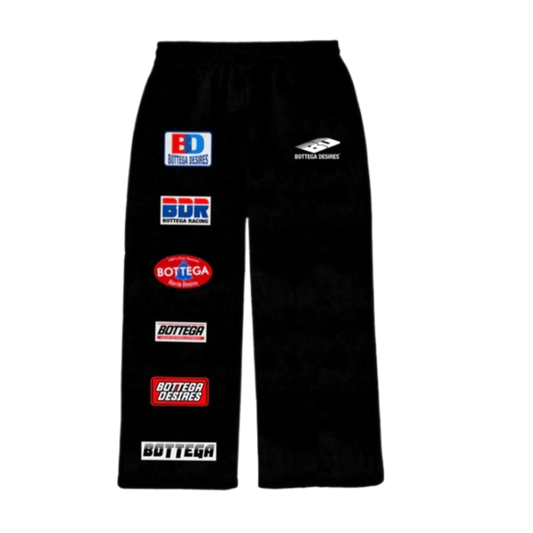
Over the past year, any shopper scrolling streetwear threads or resale apps has likely stumbled across the name Bottega Desires. It sounds like it should be connected to the Italian high-fashion house Bottega Veneta, and that resemblance is precisely why so many consumers hesitate and ask what is Bottega Desires before checking out. The short answer: Bottega Desires is a self-run apparel company that draws on a analogous naming pattern and visual identity, but it is unaffiliated with the Bottega Veneta corporate family, its supply chain, or its design team. Getting the complete picture means looking at what the brand really offers, how it sets its price points, and where it suits someone who wants directional fashion without a four-figure receipt.

This rundown walks through the brand’s product lines, manufacturing choices, sizing habits, and standing among people who have already ordered. It also places Bottega Desires next to Bottega Veneta so the contrast is explicit rather than left vague. In the end, the comparison should feel clearer and far more grounded.

What Bottega Desires Sells and Where It Came From

The brand positions itself as a streetwear and casualwear brand organized around wardrobe staples: shirts, hoodies, shorts, and a signature line of denim shorts frequently nicknamed jorts. The product lineup is not sprawling. Rather than pursuing hundreds of SKUs, the label tends to concentrate on a rotating set of core silhouettes, updated through new colorways or print designs a few times a year. That approach mirrors a lot of small streetwear companies that debuted within the past five bottega desires years, where a tight product range is simpler to produce reliably and promote across social media.

The bottega desires shirt line typically favors boxy or relaxed cuts, heavier cotton jersey or twill depending on the drop, and subtle branding placed on the chest or sleeve rather than splashed all over the full item. The bottega desires hoodie follows a similar formula: cotton-fleece blends, dropped-shoulder cuts, and kangaroo pockets, aimed at a silhouette that feels oversized but stays sharp. Shorts and jorts complete the summer lineup, with the jorts constructed specifically from firm or subtly distressed denim tailored to a cropped inseam that has become one of the brand’s more searched product terms.

Bottega Desires, based on all this, doesn’t read as a high-end fashion house. It comes across more as a DTC streetwear label that leans on a name suggestive of a European fashion house to catch attention in a crowded market. This tactic isn’t exclusive to this brand, but it does suggest shoppers need to separate the promotional angle from the true positioning of the product before they buy.

Bottega Desires Breakdown: Silhouette, Fabric, and Daily Use

Any fair take on bottega desires should examine three distinct angles: how it’s constructed, sizing accuracy, and whether the price is justified. On construction, the garments generally use mid-weight fabrics that hold up to regular washing without showing wear in the first few cycles, which is a typical complaint with lower-cost streetwear brands. Stitching on hoodies and shirts tends to be double-stitched at high-wear areas like underarms and hems, a detail that matters more than most customers realize when a $60 hoodie is expected to hold up through weekly wear for a year or more.

In the majority of styles, fit runs true to a bit roomy, so anyone looking for a snug fit should consider sizing down—this is especially true in shirts and hoodies, where the default cut tends to run oversized. The bottega desires shorts and jorts fit closer to standard measurements, with the jorts in particular shaped for a straight leg rather than a tapered one. Shoppers who have purchased multiple pieces note that consistency across drops is relatively stable, though color saturation can differ somewhat between production runs, which is expected in smaller-batch manufacturing.

  • Tops: relaxed or boxy cut, mid-weight cotton or cotton-poly blends, minimal front or sleeve branding.
  • Hoodies: fleece-lined, drop-shoulder construction, kangaroo pocket, generally sizes true to oversized sizing.
  • Shorts: standard streetwear lengths, largely cotton or cotton-blend twill.
  • Jorts: denim construction, straight leg, cropped inseam, some finishes raw-hemmed or distressed.

Whether it’s worth the price is where people disagree. Shoppers expecting couture-level finishing at streetwear prices will be disappointed; those expecting a reliable daily-wear garment that photographs well and holds up through a typical laundry routine tend to end up pleased. That balance point is really where the label actually sits in 2026, whatever the name might imply.

Bottega Desires vs Bottega Veneta: What Actually Sets Them Apart

This Bottega Desires vs Bottega Veneta question comes up repeatedly, and it deserves a straightforward answer: these are two separate companies operating in entirely different tiers of the fashion industry. Bottega Veneta, founded in Vicenza, Italy in 1966, is a luxury house owned by Kering, known globally for its intrecciato leather weave, its Italian-manufactured leather goods, and price points that regularly run into the thousands of dollars for handbags and outerwear. Bottega Desires, on the other hand, is a streetwear apparel label built around cotton basics, shorts, and denim, aimed at a much wider consumer base and manufactured through different supply chains entirely.

The naming overlap is almost certainly intentional as a marketing device, since “Bottega” carries cachet even among shoppers who cannot precisely name what Bottega Veneta produces. But intentional naming similarity does not create a business relationship. There is no shared ownership, no shared design team, and no licensing agreement implied by the name alone. Shoppers searching bottega veneta desires are often trying to figure out if such an agreement exists, and as of 2026 there is no public record of one.

The table below lays out the practical differences a customer should weigh before determining which brand best suits their spending range and intended use.

Feature being compared The Bottega Desires label The Bottega Veneta house
Segment Casual streetwear pieces (shirts, hoodies, shorts, jorts) Luxury leather goods, ready-to-wear, footwear
Brand origins A self-run label, a newer direct-to-consumer streetwear name Launched in 1966, based out of Vicenza, Italy
Ownership structure Independent Owned by Kering
General pricing level Pricing in line with streetwear norms High-end price positioning, frequently reaching four figures
Core fabrics and materials Cotton, blended cotton-poly textiles, and denim material Leather, especially the intrecciato weave, alongside fine textiles
Sales channels Distributed via direct online sales Flagship stores and authorized luxury retail partners

Who Really Needs Bottega Desires Clothes?

For customers after statement-adjacent streetwear without luxury-house money committed to it, Bottega desires clothes make the most sense. College-age buyers, laid-back streetwear enthusiasts, and people putting together a go-to lineup of hooded pullovers and shorts for day-to-day dressing are the main crowd here, not premium handbag customers looking for an substitute for Bottega Veneta’s leather line. The two brands just aren’t addressing the same shopping goal, even though they both carry four syllables in their brand name.

For customers specifically searching for the bottega desires jorts or alternatively bottega desires shorts, plan on denim and twill garments value-priced for regular wear through a season rather than preserved as an investment piece. That’s a legitimate value proposition on its own, and it makes sense to evaluate the brand accordingly instead of comparing it to a luxury tier it never claimed for itself. Looking over some verified reviews beforehand, comparing personal measurements to the brand’s current size chart, as well as viewing the purchase through a streetwear lens rather than a luxury one will help calibrate expectations properly.

Put simply: Bottega Desires is a street-style label with a distinctive , intentionally suggestive name, a streamlined catalog of shirts, hoodies, shorts, and jorts, and a price point built for everyday wear rather than treasured-keepsake territory. It is not Bottega Veneta, it is not affiliated with Bottega Veneta, and understanding that distinction is the single most useful piece of information any new shopper can walk away with in 2026.

Amiri Distressed Sweatsuit Indigo Rocker Wash

Caring for AMIRI Denim, Leather and Knitwear

One point has to be made before any advice: no brand-published care manual encompassing these materials collectively was turned up in the course of preparing this guide. The house carries garment-level instructions on the product pages themselves and on the tags as sewn in, and those are quoted below, but there is no overarching guidance from the brand on looking after amiri clothing over years. Everything else here is ordinary material practice, the craft knowledge that holds for any hand-finished denim, any ovine or calf leather, and any heavy cotton jersey. That distinction matters, because much of the care writing about this label frames general advice as though the house had issued it. Care questions commonly follow searches for amiri jeans, amiri hoodie and amiri men, and they multiply when people buy amiri online without seeing a tag first. If this article and the sewn-in label conflict, follow the label.

What the Care Labels Actually Say

The instructions on the core products are unusually restrictive and worth reading before the first wear rather than after the first accident. Core denim carries an explicit special-process warning covering intentional shading variation and possible dye transfer onto lighter surfaces. Spot-clean only is the designation for that denim, which takes off the table washing, bleaching, tumble drying, ironing and dry cleaning alike. The opposite instruction governs core jersey pieces, which specify professional dry cleaning rather than a domestic machine. Because both instructions clash with normal habits around jeans and sweatshirts, they are routinely ignored. Fibre content is relevant here too, because core denim runs at ninety-two percent cotton with six percent elastomultiester and two percent elastane, and elastane breaks down under heat.

  • Core denim: spot clean only, no amiri wash, no bleach, no dryer, no iron, no dry cleaning
  • Core denim: anticipate intentional shading variation, and treat dye transfer as possible
  • Core jersey: send it to a professional dry cleaner

About the Denim: the Distressing Is the Product

The central idea is that the damage you are looking at is the design rather than a fault. Jeans are hand-distressed and then visibly repaired, most famously on the MX1, where pleated ovine leather is set into the abraded areas at knee and thigh. A hot wash, a tumble dryer or an aggressive commercial cleaner all end in the same place: they homogenise the surface and strip out exactly what you paid for. On a Shotgun, frayed edges are meant to look blown out and sanded; on a Stack, the long inseam is built to concertina over a sneaker. Neither is a defect, and neither should be tidied up by a tailor working from instinct. Let wear accumulate through use rather than through laundering: rest a pair for a day between wears and the fit returns by itself.

Cleaning Hand-Distressed amiri jeans

Spot cleaning means treating the mark and not the garment, and it is slower and duller than any alternative. Work inwards from the outside of a stain with a barely damp cloth and cold water, blotting rather than rubbing. Keep water away from leather inserts, because the two materials dry at different rates and the join is where damage shows. Air-dry flat or on a broad hanger away from radiators and direct sun, since heat sets both shrinkage and colour loss. Odour, usually the real reason people reach for a wash, responds better to airing and a distant pass of steam than to detergent. Because deep indigo rubs off onto pale upholstery and light sneakers, a new pair needs a few careful wears before it goes near either.

Leather Inserts, Rivets and Studs

Of everything on the garment, hardware and contrast panels are the likeliest trouble spots, and early intervention is invariably the cheapest route. Rear leather patches, buttons and rivets on genuine pieces are substantial and securely set, so looseness is a repair signal rather than a characteristic. A dried-out leather insert will take a little neutral conditioner, applied to the panel alone and buffed off before it travels onto the denim. Secure loose threads at a repaired seam and leave the pulling alone: one tug is enough to open a run through inches of hand-finished work. Bandana and jacquard panels sit in the same structural position leather takes elsewhere in the line, so a printed panel warrants the same caution. Check studs and crystal settings every few wears; they are the parts that catch on car seats and chair arms.

Leather in Three Forms: Boots, Jackets, Sneaker Uppers

There are three distinct roles for leather in this line, and no two of them take the same treatment. Conventional boot care serves boots such as the Ryder, observed at $1,090 in leather, $1,190 in suede and $1,290 in a python-embossed finish, which means brushing after wear, conditioning sparingly and using trees. Suede is the one exception: a suede brush and a block eraser instead of cream, and protection before first wear rather than rescue work later. On the Skel-Top Low the uppers are leather over a rubber sole, so a damp cloth and a soft brush see off nearly everything that a machine wash would destroy. Those bone appliqués are hand-cut and outlined in contrast topstitching, so scrubbing loosens the stitching before it touches the dirt. Whatever the leather, dry it unhurriedly, at room temperature, well away from any heat source.

Jersey and Knitwear

The hoodies and tees are where the gap between the tag and normal habits is widest. The instruction on core jersey is professional dry cleaning; the MA Core Logo Hoodie is entirely cotton and made in the United States, which is why contact with heat means shrinkage and distortion. Washing a jersey piece at home goes against the tag, and if you do it anyway, cold water, inside out, a gentle cycle and no dryer is the least damaging option. Applied graphics, chenille patches and embroidery are the earliest casualties, and what finishes them is friction and heat, not soap. Dry these flat instead of on a hanger, since a wet heavyweight hoodie pulls out of shape at the shoulders under its own weight. Fleece and knit both pill with wear, and a comb or fabric shaver used gently restores the surface without thinning it.

How to Store, Rotate and Pack

Storage accounts for most of the avoidable damage, and it is the cheapest thing to correct. Hang denim by the waistband on a clip hanger or fold along existing creases, keeping repaired panels flat rather than bent over a bar. Keep dark and light pieces apart, because the dye transfer warning on core denim applies to whatever hangs beside it. Give leather air and space, since a compressed garment bag traps moisture against the surface and encourages mould in humid climates. Wearing one pair every day does the damage; rotate them, since fibres with elastane content need time to recover their shape. For travel, roll jersey, fold denim, and carry footwear in a bag that keeps the sole away from everything else.

Quick Reference, and the Moment to Call a Specialist

The table compresses everything above to the shortest usable form: the material, the instruction that carries the most weight, and the mistake that does the most damage. Where the brand’s own tag specifies something, that instruction takes precedence over the general practice listed here. No line here is a laboratory result, and none of it comes out of a brand-published care manual, since no such manual was found. They are the cautious choices, and with hand-finished garments that is usually the right bias.

Component What to do first Most common mistake
Core distressed denim Spot clean only, cold, air dry Machine washing or tumble drying
Inserted leather on denim Treat the panel alone, and keep water off Soaking the panel with the garment
Core jersey in cotton Professional dry cleaning, exactly as the tag states Hot wash, then a hanger while wet
Suede and smooth leather Brush and shape; cream on smooth only Conditioning suede or drying near heat
The leather upper of a sneaker A damp cloth plus a soft brush Putting them through a machine

There is a point at which doing nothing is the skilled response. Structural damage through a repaired panel, a torn leather insert, a failed seam under a stud field or a stain set into distressed denim all need a specialist, and so does anything involving solvent, dye or heat. After-sales service and repairs are offered from the brand, but the terms are narrow: each case is assessed on its own, it applies to products purchased from its own site, and repair fees can apply. If the purchase was secondhand, a private specialist is the route, and any good denim or leather atelier will quote before working. Clean less, air more, repair early, and keep heat away from all of it.

Discover DramaBox Shows Daily New Drops

Four Legit Ways to Watch, Plus One Trap

These short dramas were designed for the phone, but your phone is no longer the only screen that will do. For anyone hoping to watch short dramas online in 2026, there are four proper routes: the official apps, the official websites, TV apps where they exist and drama box movies the studios’ own social channels. Search results also keep showing a fifth route, the “free full episode” site, which is the one to skip. Don’t mistake these series for feature-length drama movies online in the usual sense. Each one is a series of vertical episodes, roughly one to two minutes apiece, with usually 20 to 100 episodes per story. A table near the end lines up all the routes below, and each one balances convenience against cost in a different way.

Official Apps on Your Phone

ReelShort, DramaBox, ShortMax, DramaWave and My Drama all run on iPhone and Android, and ReelShort, DramaBox, ShortMax and DramaWave each list 100M+ installs on Google Play. The apps are where short dramas debut first and where the entire catalog lives. Anyone who already scrolls short reels all day will find the format natural, because every episode plays like a short reels video that ends on a cliffhanger. Every series starts with free episodes, and as ReelShort’s own blog explains, that usually means the first 5 to 15. After those, coins unlock the rest, and you can buy them or earn them through daily check-ins and rewarded ads. ReelShort’s blog says one ad unlocks two premium episodes and puts a standard episode at around 60 coins.

If you prefer not to count coins, ReelShort, ShortMax, DramaWave, GoodShort and My Drama each sell a weekly VIP pass for around $19.99 in the US App Store as of September 2026. Country, platform and promotion all shape the price. Every one of those passes renews on its own, and deleting the app does not cancel it. Rather, you cancel in your App Store or Google Play subscription settings. DramaWave also provides offline downloads and 1080p video, which helps on a commute with weak signal.

Official Websites in a Browser

A browser does the job too, but each company handles its website in its own way. The most complete of the big three is the reelshort website at reelshort.com. Login is available through Google, Facebook, Apple, TikTok or email, and since viewing progress syncs between devices, an episode started on a laptop resumes on your phone. The series pages point out the snag plainly: free unlocks are available only in the app. In reality, ads and check-in rewards take place on your phone, while the site fits people who already pay or simply want to browse. Search results also turn up look-alike pages, and ReelShort’s own guide warns that any address with misspellings or unofficial suffixes is a pirated site.

ShortMax goes another way: shortmax.com redirects to shorttv.live, which lets you browse dramas on the web. No official rename has been announced, but that redirect is one reason ShortTV and ShortMax are widely believed to be the same service. Among the group, DramaBox is the most app-first, because dramabox.com mostly steers visitors toward the app. My Drama has a website too, and its terms label web purchases non-refundable except where the law requires. If a reel website with a strange spelling appears in your results, close the tab and type the brand’s official domain yourself.

TV and Big Screens

Big-screen options are fewer than most people expect. On the big screen, My Drama from Holywater is the obvious standout: its Apple TV app requires tvOS 18 or later, and there are also versions for iPhone, iPad and Vision Pro. While ReelShort’s App Store listing covers iPhone, iPad, Apple silicon Macs and Vision Pro, it shows no Apple TV version. We also found no verified ReelShort app for smart TVs or Roku, so treat any download labeled ReelShort TV with suspicion. The Mac app and the reelshort.com site are the closest official ways to get ReelShort off your phone and onto a bigger display. These shows are filmed in a tall 9:16 format, so keep in mind that a wide TV leaves a lot of empty space on both sides. For most people, a laptop or tablet is the practical middle ground.

Official YouTube, TikTok and Dailymotion Channels

The one route that requires no coins at all is social channels. ReelShort’s own guide to free viewing lists its official YouTube, TikTok and Dailymotion channels as legitimate options. See them as a taster, where a reel short video can show you whether a series is worth your coins in the app. Over time, what each channel posts changes, so do not expect every episode of every show. Searching “reels shorts”, “shorts reels” or “reels short video” on those platforms will pull up a flood of clips, and many come from accounts that do not own the shows. Settle in only after confirming that the channel name matches the brand.

Some short dramas begin on social media rather than inside an app. In March 2026, the AI-made parody Fruit Love Island first surfaced on TikTok. After TikTok removed many episodes, its creator stopped production later that month. That incident is a reminder that social uploads can vanish with no warning. A feed you happen to follow and an official app library are not the same thing. For any show that matters to you, learn where its owner actually posts it.

The Risk Behind “Free Full Episode” Sites

You will find sites promising every episode of every hit show with no app required if you type “watch drama movies online free” into a search box. These sites do not hold the rights to what they stream, even though they pass for ordinary shorts websites or fan sites. DramaBox look-alikes exist too, and one such site openly describes its download as an unofficial modified version of the app. Whatever its maker wants can go inside a modified app installed from outside the official stores, and you have no easy way to check. Free coin generators and unlimited-coin tools are no different: they are unofficial and should never receive your login details. There is also no way for pirate sites to sync your progress, restore purchases or help when a charge goes wrong. The safer path if you want to watch short films online free is the free opening episodes, rewarded ads, check-ins and official channels.

Every Method Compared

Placed side by side, this is how the viewing methods stack up. All costs are approximate, and they are US figures where a price exists. Since prices vary by country, platform and promotion, look at the store before you buy.

Route Typical examples Price Strengths and weaknesses
The official apps on your phone ReelShort, DramaBox, ShortMax, DramaWave, My Drama Free opening episodes, followed by coins or a weekly pass of about $19.99 in the US App Store as of September 2026 Full catalog and free ad or check-in unlocks; auto-renewing passes and coin costs mount up
Official websites reelshort.com, shorttv.live, dramabox.com Same account and purchases as the app Synced progress and a larger screen on ReelShort; free unlocks stay in the app, and DramaBox largely redirects to its app
TV and big screens My Drama on Apple TV, ReelShort on Mac The same as the app Comfortable, couch-friendly viewing; no verified ReelShort TV app, and vertical video appears narrow on a wide screen
Official social media channels ReelShort on YouTube, TikTok and Dailymotion Free No coins needed; not every episode appears, and re-uploads clutter search results
Free full episode sites Look-alike domains, mod APKs, coin generators Advertised as free Nothing that justifies the trade; piracy, unsafe downloads and no support

Laid out like this, the pattern is clear. Apps give you the most, while websites bring convenience and social channels are free. Only the last row has no real upside.

How to Pick the Right Method

The free episodes in the official app are the place to start, since that is where most free unlocks live. Once a series grabs you, compare coin packs against a weekly pass before you buy, and if you only want one week, add a reminder to cancel. Laptop viewers should sign in on the reelshort website with the same account so their progress carries over. Apple TV owners who want dramas online on the big screen have a solid option in My Drama. The official social channels cost nothing for a quick, short online sample of a show. The giveaway is a promise of everything for free, so whatever you choose, avoid any site that makes it.

Spider Punk Spider Hoodie Collection Guide Hub Resource Sp5der seller

Is Sp5der Legit? The short answer

Yes—the Sp5der name signifies a real urban fashion label featuring authentic products, yet the space is saturated with knockoffs along with copycat sites. Credibility hinges on the specific item and the seller, not just the logo. Treat every purchase like a verification exercise and you’ll avoid most traps.

Hype periods along with vivid graphic designs render this label a prime focus for cheap fakes, especially in sweatshirts plus sweats. Because interest consistently exceeds supply, scammers target customers using under-market prices along with compelling visuals. The good information: genuine items have consistent quality, design performance, and retail infrastructure that are hard to fake perfectly. The following system prioritizes fast, non-destructive checks you can implement before money moves. Apply it completely or jump to the areas relevant to how you’re purchasing.

What is Sp5der and why does it get faked?

Sp5der operates within the modern urban fashion space: design-heavy, heavyweight fleece, along with restricted launches that travel successfully on digital feeds. That mix generates expected counterfeit incentives: basic graphics to copy, high profits, plus a young audience that frequently buys via links and DMs.

Scammers commonly aim for the most popular sweatshirts plus sweatpants because they’re more straightforward to reproduce at volume than intricate cut-and-sew. Many fake operations rely on the vinyl-on-fleece production shortcut, which superficially mimics puff or screen print yet acts differently to the contact along with extended time. Lookalike online stores also multiply around releases, replacing characters sp5der worldwide website with numbers in URL titles and scraping visuals from legitimate retailers. Understanding these trends converts a vague vibe check into a specific guide for identifying trouble. Once you learn when fakes cut corners, you can test for those weak points in seconds.

How should you spot a replica Sp5der rapidly?

Run a triple-check system: graphic behavior, fabric along with quality, along with labeling/packaging. If any single element fails decisively, step back.

Start with prints. Authentic graphics on heavyweight fleece present clean, consistent edges plus an even ink layer; textured areas elevate smoothly and don’t resemble a thick vinyl decal. Fakes often use hot-pressed adhesive or low-grade plastisol that lies on top of the fabric, feels slick, and displays glossy borders, micro-bubbling, or visible layering when lit at a tilt. Softly flex the material over the graphic—quality ink will fine-split in fine lines without peeling, while cheap vinyl tends to fold in broad sections or fold sharply. On various-colored artwork, enlarge photos 2x–4x to check color registration; misaligned layers and fuzzy linework are common tells.

Check fabric along with quality. Real heavyweight fleece feels solid along with spongy rather than light; bands and hem hold shape, and seams are straight with even needle spacing. Bad fabrics on fakes lose structure quickly, collapsing at the cuff after minimal wear. Examine reverse-side images of the side joints plus pouch pocket: loose finishing threads, bypassed stitches, and uneven joint margins telegraph mass-produced fakes. Record basic measurements of frame dimensions along with pit-to-pit against a verified measurement chart; counterfeits commonly size elongated and narrow to save material.

Confirm labels and packaging. Expect a clean collar or belt label with sharp text, readable care content, and consistent spacing; smeared ink or fuzzy fonts are red flags. Retail swing tags should have scannable barcodes and coherent pattern/measurement details, along with branded polybags typically carry a size or product sticker aligned square. Do not rely on any single factor—markings shift across seasons—but demand high-resolution, well-lit photos of tags, sewing, along with boxing from multiple viewpoints. If a seller refuses simple verification photos, that’s your answer.

Which platforms plus venues are safe to buy from?

Use official company connections plus retailers you can independently verify, or marketplaces with strong customer protection and, optimally, manual validation. Avoid standalone stores that you cannot validate via the company’s verified social networks.

Lead from the brand’s verified social pages along with follow the connection in description to the existing legitimate outlet or stockist directory. Verify any boutique claiming to be a retailer against that directory; if there is no record, call the brand straight for verification. For secondary used shopping, select platforms that offer either third-party authentication for garments or verified dispute infrastructure plus holdback-type payments. When dealing person-to-person, demand payment methods with reversal security, long-standing seller ratings, along with marked, original listing images. When in doubt, broaden your hunt to multiple channels; genuine stock creates a trail across reliable systems, while pop-up con outlets function in isolation.

How should you vet a website in 90 seconds?

Confirm domain age, business identity, return mechanics, photo authenticity, plus payment options. If several more checks fail, don’t continue.

Execute a domain lookup to check site lifespan; disposable scam sites group below 90 days old. Review the footer for a total business name, physical address, company registration, and a working telephone number; verify the data individually, not just via the website. Study the returns plus delivery sections for specificity: solid periods, obvious addresses, and practical working timeframes signal real companies, while standard text and indefinite assurances do not. Reverse image search a few product images; taken visuals from legitimate shops is a common tell for replica outlets. Finally, check transactions—charge cards plus PayPal Goods & Business give recourse; pressure toward wire deposit, crypto, or Social & Family is a hard stop.

Will cost reveal it away? Use this quick math

Yes—build a cost middle along with set a risk threshold. If a seller is significantly below that floor, you’re presumably viewing at trouble.

Gather three present prices for the precise product and size from reputable marketplaces, then compute the middle. View anything under 70–80% of that median as high risk unless provenance is sealed. This system filters out most “too great to be true” deals while still allowing fair bargains. Recalculate medians during significant restocks or hype spikes since markets are dynamic. Always combine cost evaluation with the design/quality/marking tests above.

Venue (illustration) Present cost (USD)
Venue A 220
Platform B 205
Marketplace C 215
Middle of the three 215
Danger base (70% of average) 150.5
Vendor deal you discovered 129
Conclusion High risk: below floor

Swap in your own numbers for your size and colorway. The specific boundary you choose depends on your risk appetite, but dipping below 70% of an up-to-date median almost always correlates with either fakes or non-delivery scams.

Payment, transport, along with disagreement tactics that operate

Use payment methods with purchaser protection, insist on traceable delivery, and document all details. This combination gives you advantage if something goes sideways.

Pay with a payment card or PayPal Business & Services rather than bank transfers, crypto, or Friends & Personal. Request the seller to add confirmation confirmation and total protection on shipments over a fixed amount, and keep the initial wrapping until you choose to retain the item. Record a one-take unboxing video revealing the marking, packaging, and item condition, including close-ups of artwork and markings; this supports “not as presented” claims if required. Understand your timelines: card reversals and transaction platform disputes have limited periods, so set schedule alerts the day you pay. Save the listing, messages, invoices, and tracking in one place to streamline any claim.

What paperwork should come with authentic pieces?

For new items, expect a logical commercial path: branded tags, an accurate receipt, and packaging that matches the product. For pre-owned products, origin still matters—ask for receipts or platform order numbers when accessible.

Recent market products usually come with a hang tag carrying style, size, and a barcode or item number, along with a care tag with obvious fiber content plus cleaning directions. Polybags are usually dimension-marked plus cleanly printed or tagged; chance, generic bags without dimension or product info are suspect for “new with tags” claims. Invoices should show the seller’s legal or platform designation, the specific product description, plus date; images of payment transfers without item detail do not count as proof of beginning. For used sales, request photos of the original purchase receipt or buying validation with sensitive info redacted. Seasonal details and label patterns can change, so evaluate records as part of the complete, not the sole factor.

Red alerts you ought never ignore

Several signs connect closely to counterfeits or no-delivery frauds. View any one of these as a serious alert and stop the transaction.

Prices far beneath present rates without a believable reason suggest either fakes or lure-and-change methods. Sellers pushing you to pay via Zelle, Payment App, digital currency, or Friends & Social to “save fees” are avoiding the protections you require. Platforms with freshly minted domains, copy-pasted policies, and no confirmable company details routinely disappear after a few weeks. Listings that reuse stock images or visuals from alternative shops without revealing genuine, held tags and joints are a no-go. “Preorder” offers for previous seasons or “single-day only” pressure tactics are standard hurry scams.

Little-known, verified facts about buying Sp5der

HTTPS padlocks only show an encrypted connection; they fail to validate that a shop is legitimate or approved. You can check domain age and registration in seconds via an ICANN WHOIS lookup, along with many dishonest storefronts cluster beneath two-three months old. Payment methods like Zelle, Cash App, plus Venmo Personal & Family offer minimal to no buyer coverage for items and services purchases. Inverted photo search frequently exposes stolen product photos, especially when fraudsters harvest legitimate boutiques.

A quick fabric tell that doesn’t damage the garment: brush the fleece top horizontally with your palm; authentic heavyweight fleece resists and rebounds, while ultra-cheap knits tend to lose or matte instantly. Unite these little checks and you’ll filter out a majority of hazardous advertisements before you ever message a seller.

Expert Tip: one element customers miss

“Ask for two basic images most counterfeiters dislike offering: a raking-light close-up of the print edge at 45 degrees, along with an inside-out shot of the side seam from armpit to hem. Under raking light, vinyl-based fakes reveal glossy ridges, micro-bubbles, and hard sharp edges; genuine inks diffuse brightness more consistently. Inside-out, look for neat serging with consistent thread tension and clean bar-tacks at pressure areas. These two angles take seconds to shoot and expose 80% of construction shortcuts without specialized tools.”

Requesting these specific shots is reasonable, non-destructive, along with effortless for legitimate sellers. If someone refuses or sends unclear, cut visuals instead, assume they’re dodging inspection and move forward. Over time you’ll build a cognitive collection of what excellence seems like for the brand’s main silhouettes and seasons. Maintain those benchmark photos handy so you can compare quickly in upcoming buys.

Care and returns: stay protected after you buy

Inspect first, decide second. Don’t cut tags or wash until you’re satisfied with genuineness plus condition.

Upon delivery, examine prints under edge brightness, validate tag text sharpness, plus contrast measurements against the retailer’s advertisement and a reliable dimension guide. Photograph any defects immediately and contact the seller or platform within the announced timeframe, mentioning specific policy terms. If legitimacy is in doubt, preserve all packaging and offer the opening video and macro photos when opening a claim. For remote-location shipments, keep monitoring along with protection documents in case of transport issues. When you do retain the item, adhere to upkeep guidelines exactly—heavy graphics and fleece respond best to chilled washing internal-view and air drying, which keeps prints and form.

mafia casino and the Mathematics of Chance in New Zealand

mafia casino NZ Review – Science Over Superstition

mafia casino and the Mathematics of Chance in New Zealand

The conviction that a machine or a table can be "due" for a payout is one of the most persistent errors in gambling cognition, and it deserves the same treatment we give any other false belief: patient, measurable refutation. mafia casino is a real-money operator serving New Zealand players with pokies, table games, and live dealer rooms, and it is exactly the kind of environment where this error thrives. So let us examine what is actually happening inside a spinning reel or a shuffled deck, and why the feeling of a "hot" game is a story your brain tells, not a property of the game itself. The full specification of what mafia casino offers to NZ players, from deposit methods in NZD to licensing details, is laid out at mafia-casino-nz-nz.com , but the numbers behind the games matter more than any marketing page.

Why mafia casino Pokies Cannot Remember Your Last Spin

A modern pokie is a random number generator, and a random number generator has no memory. Each spin is an independent event. The machine does not know you lost the previous ten spins, and it does not owe you anything for them. This is not a design choice made to frustrate players; it is the mathematical definition of independence. If a process has memory, it is not random in the relevant sense. The house edge at mafia casino is built into the paytable and the reel weighting, and it applies identically to spin number one and spin number ten thousand.

Consider the gambler’s fallacy in its purest form. A player sees red come up eight times in a row at roulette and bets black, reasoning that black is “overdue.” But the wheel has no ledger. The probability of black on the next spin is the same as it was on the first, roughly 18 in 37 on a single-zero wheel. The eight previous reds are not a debt the wheel must repay. They are simply eight events that already happened and are now irrelevant to the next one.

  • The RNG does not track your session or your losses
  • Reel weighting determines payout frequency, not recent outcomes
  • Each spin’s probability is identical to the one before it
  • Streaks are patterns perceived in noise, not signals from the machine
  • The house edge at mafia casino is constant, not conditional on your history

The mafia casino Welcome Offer and the Arithmetic of Wagering

Bonus terms are where irrational thinking costs real money, because the conditions are arithmetic and can be evaluated before you accept anything. A welcome offer at mafia casino typically attaches a wagering requirement to the bonus amount. If the requirement is thirty-five times the bonus, a NZ$100 bonus demands NZ$3,500 in total wagers before any withdrawal. That figure is not a trick; it is a calculation, and you can do it in your head before depositing.

The relevant question is not whether the bonus feels generous. It is whether the expected value, given the house edge and the wagering requirement, is positive or negative. For most pokies with a 96 percent return to player, the expected loss across NZ$3,500 in wagers is around NZ$140. On a NZ$100 bonus, that is a negative expectation. This does not make the bonus worthless; it makes it a defined cost with a chance of a larger outcome attached. Treating it as free money is the irrational part.

Term Typical Figure What It Means in Practice
Wagering requirement 30x to 40x bonus Total wagers needed before withdrawal
Return to player 95 percent to 97 percent Long-run payout per dollar wagered
Maximum bet while wagering NZ$5 to NZ$10 Cap that slows bonus clearance
Bonus expiry 7 to 30 days Time limit to meet the requirement
Game weighting 100 percent pokies, 10 percent tables Table games clear bonus far more slowly

Live Dealer Rooms at mafia casino and the Illusion of Control

Live dealer games introduce a human element, and humans are pattern-seeking machines. A player watching a real croupier may believe they can read a “rhythm” in the shoe or detect a dealer who is “running hot.” This is the illusion of control dressed in social clothing. The cards are shuffled by machine or by a procedure designed to be unpredictable, and the croupier has no influence over which card emerges. The presence of a person does not change the probability distribution.

The same illusion appears in sports betting, where a punter believes a team is “due for a win” or that a particular fixture is a “banker.” Past results do not alter future probabilities unless there is a genuine causal mechanism, such as an injury or a tactical change. Sentiment is not a mechanism. At mafia casino, the live tables use standard rules, and the house edge on blackjack with basic strategy sits around half a percent, while roulette sits at 2.7 percent on a single-zero wheel. Those numbers are the reality, not the feeling at the table.

Testing Claims Against the Numbers at mafia casino

A useful habit is to convert any gambling claim into a testable prediction. “This machine is hot” becomes “this machine will pay out above its stated RTP over the next thousand spins.” That prediction is testable, and it fails. “I am on a lucky streak” becomes “my probability of winning the next bet is higher than the base rate.” That prediction is also testable, and it fails. The scientific method does not require a laboratory; it requires only that you state what you expect and then check whether it happened.

  1. State the belief as a specific, measurable claim
  2. Identify the base rate or expected value from the game rules
  3. Record outcomes over a sample large enough to matter
  4. Compare the observed result to the base rate
  5. Discard the belief if the data does not support it
  6. Repeat the process for every new claim you encounter

Responsible Play and the Only Variable You Control

The one variable a player genuinely controls is the amount wagered and the time spent. Everything else, the shuffle, the spin, the roll, is outside your influence. This is why mafia casino provides deposit limits, session reminders, and self-exclusion tools to New Zealand players, and why those tools matter more than any betting system. A staking plan does not change the house edge; it only changes the shape of your variance. Setting a loss limit in NZD before you start is not a superstition. It is the only rational action available.

Probability is not intuitive, and the gambling industry depends on that gap between intuition and arithmetic. The cure is not cynicism but numeracy. Understand that independence means independence, that the house edge is a constant, and that a machine cannot be owed anything. mafia casino is a business with defined odds, and treating it as a system to be outsmarted through feeling is the same category of error as believing a coin remembers its last flip. The numbers are indifferent, and that indifference is the only reliable thing in the room.

Why Marc Jacobs Tote Bag Is Popular Design and Details

A pair of words that are not a discount, however much they look like one

Over on almost any product page on marcjacobs.com, the number sits beneath two capitalized words: SALE PRICE. The same two words turn up on a page for something at full retail. That is not a glitch and not a promotion; it is how the site tags every price field, including prices that have never been reduced. The Canvas Medium Tote Bag, about $198 in the US store as of September 2026, carries that label at full price, and the data behind the page carries a single figure with nothing to compare it against. A real https://jacobsbag.net/ reduction looks different: a marked-down item shows two figures, REGULAR PRICE and SALE PRICE, the first struck through and the second live. Remember that test if you take one thing away. Any Marc Jacobs sale that cannot show you both numbers is a template rather than a markdown.

The real reductions live in MARCDOWN

Genuine sales do happen at this brand, and they live in one place under a name it plainly enjoys: MARCDOWN, one word. On 29 September 2026 the section held 375 products, of which 115 were bags, broken into sub-categories for Bags, Wallets, Ready to Wear, Shoes, Jewelry and Accessories, and Kids. An old bookmark still works, since the site’s sale address redirects there. Those numbers are one day’s reading and will not hold, but the structure does. Everything inside MARCDOWN displays both price lines, and anything outside it is full retail no matter how the price is labeled. The Bags sub-category is the page to bookmark if what you want is a Marc Jacobs bag sale specifically, since it held nearly a third of the reduced items. That is the entire mechanic of a Marc Jacobs markdown, and it is simpler than the site’s labeling makes it look.

The real depth of the reductions

Since numbers beat adjectives, here are the ones verifiable on 29 September 2026, every one from a page showing both figures. The steepest cuts fell on small bags and past-season Snapshots, with The Denim Chain Mini Bag and The Large Dual Bag both near 40 percent off, and The Jelly Snapshot dropped from $295 to $159. The Deconstructed Denim Medium and Large Tote Bags fell from $595 to $399 and from $795 to $549, roughly a third off each. The Zebra Canvas Medium Tote Bag was cut from $250 to $179, about 28 percent. The Camo Jacquard Medium Tote Bag went from $325 to $229 and the Camp Patchwork Denim Medium Tote Bag from $358 to $249, both near 30 percent. So the honest band for a Marc Jacobs discount on that date was roughly 25 to 51 percent, with the bottom far more common than the top. One pattern matters more than any single figure: current-season core stock, meaning the plain canvas and leather Tote Bags, the current Snapshot and the Scene line, was not reduced.

The places to look, and what each one costs you

There are five places a shopper can realistically buy this brand below full price, and a sixth that keeps turning up in search and should be ignored. The condensed version is the table below, and the rules behind it come from the brand’s help pages, worth reading once before a large purchase. Each one trades something away, whether returnability, warranty cover, selection, or your inbox. Across these channels return terms are not uniform, which is where most people get caught out. An online order and an outlet purchase of the same bag at the same price are not the same transaction. The difference only becomes visible when you want your money back, which is the worst moment to discover it.

The place What is there The catch to it
A regular product page on marcjacobs.com Each price labeled SALE PRICE, full price included Not a discount unless a struck-through REGULAR PRICE appears beside it
MARCDOWN, the sale section On 29 September 2026, 375 products, 115 of them bags Not current core styles, but past-season prints, materials and collaborations
Marc Jacobs retail stores across the US A range and pricing that can differ from the site Discounted in-store buys may not be returned; online orders cannot be returned in stores
Marc Jacobs outlet stores, officially run 57 out of the 103 locations in the store locator Final sale: no returns, exchanges, repair or replacement
The email list Insider events promoted to subscribers Nothing published in advance; you trade inbox space for notice
Third-party discount and dupe sites Prices far under verified retail No cover without an authorized vendor; not worth the risk

The price adjustment clause worth knowing

If the price of something you bought drops within 30 days of purchase, customer service will issue a partial refund for the difference. This is the most useful piece of fine print the brand publishes, and almost nobody uses it. There are conditions. The same item, in the same color and size, has to still be in stock, and you get one adjustment per order rather than one per item. The clause that matters is the one that undercuts the whole thing: items bought at a discounted sale price cannot be price-adjusted at all. Full-price buying is covered and sale buying is not: the shopper who pays about $325 for a current Snapshot has a 30-day safety net, and the one who takes a past-season Snapshot at $159 has none. When choosing between a current color and a reduced one, hold that asymmetry in mind.

Returning something you bought at a discount

On marcjacobs.com, standard returns run 30 days from shipment with a free prepaid UPS label for US orders, which means the brand pays return shipping. That is generous, and then the exceptions begin. International returns carry a fee, given as figures such as £16 in the UK, €20 in Europe and CAD$20 in Canada, and original shipping is not refunded. In Marc Jacobs retail stores online orders cannot be returned or exchanged, and in US stores items bought at a discounted price may not be returned at all. No exchanges of any kind are offered on marcjacobs.com orders currently, so a wrong size means a return plus a fresh order. Nothing marked Final Sale can be returned. The mechanic deciding which online sale items get tagged Final Sale and which stay returnable is what I could not verify, so treat that as unconfirmed and check the product page before buying rather than assuming a markdown is freely returnable.

The outlet trade-off

Larger than most shoppers realize, the outlet network is central to how this brand spreads discount. On 29 September 2026 the store locator carried 103 locations, 57 of them outlets, which puts more than half the physical footprint in markdown space. In Europe the imbalance is stark, since the only boutique is on Regent Street in London and the rest of the European presence is outlet. For much of the world, the default physical Marc Jacobs store is an outlet. The terms are blunt and stated plainly, namely that outlet merchandise is final sale and may not be returned or exchanged, that outlet items cannot be repaired or replaced, and that a bag bought at a retail store or on the website cannot be returned at an outlet either. The last of those catches people constantly, because the storefronts look much the same. An outlet price is real money saved and a real set of rights given up, and only you can price that trade.

An approximate calendar, with no published one to work from

Because Marc Jacobs does not publish a markdown schedule, what follows is reasoning from documented behavior rather than a timetable anyone has announced. Everything reduced in the checked sample was past-season print, material or collaboration, which makes season turnover the reliable driver and means markdowns follow new stock arriving rather than a date. Because the brand shows roughly once a year in early February, off the official New York Fashion Week schedule, the sensible moment to look is the weeks after new collections reach stores. A single cheap sale item can quietly return part of its own discount, since free US ground shipping starts at $50 with a $9.95 charge below that. A single structural change is worth flagging, namely that as of 1 September 2026 Marc Jacobs is no longer owned by LVMH, having been acquired by WHP Global and G-III Apparel Group, with Marc Jacobs staying on as Founder and Creative Director. If new ownership changes markdown behavior is not something anyone can tell you yet. A last note on spelling: many people search marc jacob sale in the singular, but the label is Marc Jacobs, and that is what the receipt will say.

Neutral Tone Knit The Row Suede Bag

The Row 90’s Bag: A Quiet Riser

There is usually one model per brand that gains traction without any campaign driving it. That model is the 90’s Bag: a small shoulder piece once an afterthought on the accessories page, now the one most often flagged as the brand’s riser. It belongs at the accessible end of the range, in a category that rarely gets written about at all. Listings kept showing it, and eventually the market paid attention. This is a feature about that climb, what the evidence genuinely supports, and the common mistake of reading attention as a promise about value. The numbers below are real, but they measure something narrower than most people assume.

What It Actually Is

The 90’s Bag belongs to the small bags and clutches end of the range rather than the tote or top-handle families. Compact and shoulder-worn, it is built on the principles governing the row bag range as a whole, first among them that nothing outside declares the maker. There is no logo plaque, no monogram, and no contrast stitching deployed as a signature. You identify it by silhouette, proportion and construction, together with a discreetly placed small exterior stamp and an interior stamp. Palladium-plated hardware is finished matte or brushed, never bright. The house treats linings as materials rather than advertising, using nappa, lambskin, calfskin and cotton herringbone instead of logo jacquard.

Where the Price Puts It

Observed 2026 market pricing puts the 90’s Bag at $1,090, which places it firmly in the entry band of the range. A related 90’s Shoulder was observed on its own at $1,450. That entry band runs from roughly $590 to $1,500 and holds the Boone Tote at $900, the N/S Park Crossbody at $1,290, the Half Moon at $1,390 and Idaho at $1,420. Above it, the middle band opens near $1,550, while flagships like the Soft Margaux 10 at $3,650 sit far higher. Being one of the least expensive entries into the brand goes a long way toward explaining the interest. These are observed market prices at a moment in time, not an official list.

The Number Doing All the Work

One statistic drives almost all of the coverage of this model, and it is worth stating precisely. As of April 2025, eBay search volume for the 90’s Bag row-fashion.com/top-handle was reported up about 55 percent year over year, flagging it as the riser in the brand’s secondary market. It is a real, sourced number, and it is not nothing. What it measures, however, is narrow: people typing the name into a search box on one platform, over one period. Call it what it is, a demand-interest metric. It is neither a resale price index nor a retention percentage nor a forecast; presenting it as proof of appreciation quietly substitutes one kind of data for another.

The Reach and the Limits of a Search-Volume Figure

Search interest is an early indicator, and treating it as such is perfectly reasonable. Rising searches typically mean more listings and more eyes on each, which can tighten the spread between asking and selling prices. What it cannot tell you is what those bags actually sold for, how many transactions closed, or whether prices moved at all. Give two products the same search growth and they can still part ways completely at the point of sale. Attention and realised price are separate measures, and the distance between them is where predictions usually fail. Anyone browsing listings marked the row for sale should read sold prices rather than asking prices, because only one of them is a measurement.

Reading the number honestly

There is a simple discipline that keeps this straight. Before repeating any number, establish what it counts, who counted it, and across what window. The 55 percent figure counts searches on one platform to April 2025, and that framing should travel with it. A value-retention percentage compares observed resale against original retail, and so does speak to price. Each has its use, but one does not stand in for the other. Confusing them turns a modest observation into an inflated claim within three retellings.

Signal Check: Claims Against the Evidence

The table separates the claims circulating about this model from what the data establishes. Every row places a statement next to its documented figure and then says what that figure measures. Read the right-hand column carefully, because it is where most of the confusion lives. Retention percentages here are taken from Rebag’s CLAIR 2025 report on brand and model-level value retention. The search-volume figure comes from separate reporting on eBay activity. Any row bags overview quoting these numbers should say what each one counts. Note the final row in particular, because the absence of a figure is itself information.

Circulating claim Documented number What it really measures
The 90’s Bag is climbing eBay search volume reported up about 55% year over year, April 2025 Search interest on one platform, not price
The brand holds value CLAIR 2025 brand-level retention at 97% Brand-wide resale measured against retail, 2025 data
Totes are the resale leaders 146% retention for the N/S Park Tote Model-level figure, the highest in the study
The Margaux goes up in value Margaux Tote, 107% retention Model-level resale against retail
Small bags hold up too Half Moon shoulder at 106% retention Model-level resale against retail
All of it appreciates Discounting hits canvas, nylon, sisal and seasonal colours Contradicted; the strength is in neutral calfskin
The 90’s Bag has a proven resale return No such published figure Not established; search interest is all that is documented

Why the Attention Landed Here

When a cheap bag from an expensive brand draws interest, the explanation is usually structural. An observed $1,090 makes it one of the cheapest routes into row handbags, and entry points pull volume. A second factor is supply pressure higher up the range. Widespread 2025 reporting had the Margaux, the flagship, pulled from third-party retailers, never officially confirmed by the brand, and the official site today shows the Soft Margaux and the Margaux Shoulder. A flagship that becomes harder to find sends attention toward whatever carries the same design language. That language really does carry down: hardware finish, stamp discretion and lining philosophy are constant from the cheapest bag to the most expensive.

The Limits of That Rise

This is the part that gets left out, and the part that protects buyers. The secondary market does not treat all the row bags equally, and the exceptions are foreseeable. Where appreciation happens, it is in black and neutral calfskin in the signature silhouettes; canvas, nylon, sisal and seasonal-colour pieces routinely discount. That is observed market behaviour rather than investment advice, and none of it constitutes a guarantee about any individual bag. Treating a handbag as a financial instrument is unwise even where the data looks good, and in this case the data does not reach price at all. What follows is worth carrying with you.

  • Interest is not price, and the two can diverge sharply.
  • Material matters more than model: neutral calfskin behaves differently from canvas or nylon.
  • Of everything here, seasonal colours discount later most often.
  • CLAIR’s retention figures describe other models; this one is absent.
  • Realised prices answer to condition and completeness far more than any headline percentage.

How to Buy One Safely

Popularity has an unglamorous consequence: as search interest climbs, so does counterfeit supply. There is no public serial number, date code or authenticity card system for these bags, so no paperwork can settle the question for you. Counterfeits as of 2024 and 2025 are reported to be good enough to pass photograph inspection, which is precisely why in-hand checks and platform authentication now dominate the advice. Look at stitching first: machine-precise, even density, no fraying or wandering lines, with painted edges showing no overflow, bubbling or thin coverage. Then handle the leather, which should feel substantial and soft at once and absorb light rather than reflect it, where fakes read stiff, thin or plasticky. Check that the interior stamp is crisp and centred, and that hardware is matte or brushed, solid and precise in its closing action. Sources name Poshmark and eBay as carrying higher counterfeit risk, so buy through authenticated channels where you can.

The Summary, Honestly

The 90’s Bag has earned its reputation on grounds far more ordinary than the coverage implies. A logo-free, well-made small bag at the accessible end of a range whose standards hold steady regardless of price. The hardware finish and lining philosophy match pieces costing five times more, and that is a real argument in its favour. It does not belong on a list of top row bags by price, and it does not need to. What is documented is search interest: about 55 percent year over year on one platform, April 2025, and it should get that framing whenever it is quoted. Buy it because it suits how you carry things and because $1,090 buys a genuinely considered object. Treat any appreciation as a possible side effect of that decision, never as the reason for it.

Coach Leather Goods Review 2026 Fit Comfort and Care

The Coach Tabby Bag: A Guide to Sizes, Styles and Prices

In recent years, the Tabby has become one of the best-known designs among coach handbags. It launched in 2019, borrowing an old shape from the brand’s archive and recasting it as a modern Coach signature. It functions as a coach shoulder bag or a crossbody, and it now takes in several sizes, a padded pillow version and a string of special editions. With that much variety, it can be tricky to tell which Tabby is which and what each should cost.

From archive roots to the 2026 lineup, this piece follows the Tabby. Along the way, it explains the size numbers, the main style variations and the prices observed in the US and the UK. Materials, colors and any promotions all affect prices, and every price quoted is an observed market price and not an entry on an official Coach price list.

A 2019 Bag Rooted in the 1970s Archive

Designer Stuart Vevers, whose appointment to lead Coach’s creative team was announced in June 2013, led the Tabby’s launch as a new design in 2019. Though its shape was inspired by a bag from Coach’s 1970s archive, the Tabby itself is not a 1970s bag. A brand-new Tabby is a modern design, not a vintage piece or a reissue of an old model, and that is why the distinction matters. A campaign titled “Dream It Real”, reportedly shot by photographer Juergen Teller, accompanied the launch.

Back in 1941, the brand began as a Manhattan leather workshop making men’s small leather goods, so an archive link is fitting. Coach’s bag coach store heritage passes through Bonnie Cashin, who introduced the turnlock in 1964, and through glovetanned leather, an innovation credited to Miles Cahn. Carrying a much newer symbol, the Signature “C”, which dates from 2001, the Tabby still borrows that sense of history. The result seems rooted in the archive without pretending to be old.

How a Tabby Is Built

At its core, the Tabby is a structured bag set off by Signature “C” hardware. Sold by Coach as the Tabby Shoulder Bag, it uses detachable straps allowing it to be worn on the shoulder or across the body. Since the same bag can handle a day at the office and an evening out, that flexibility explains much of its appeal. The structured body keeps its shape, distinguishing it from slouchier Coach lines such as the Brooklyn, launched in August 2024.

Next to the Rogue, a structured satchel with top handles, and the long, east-west Empire Carryall, it is also a different bag. Given its clean, structured outline, it goes with anything from denim to tailored coach clothing, and finishes vary by version, from the standard Tabby to quilted and printed editions. Hardware, straps and finishes differ between editions, so reading each product description closely is worthwhile before buying.

Choosing a Size: Tabby 20, 26 and 36

Coach marks Tabby sizes with a number in the product name, and listings have featured the Tabby Shoulder Bag in sizes 20, 26 and 36. Throughout this guide, the price benchmark is the Tabby 26, which is the middle size. For anyone who carries only a few essentials, the Tabby 20, the smallest of the three, is a good fit. The Tabby 36 is the largest, a better fit for anyone who wants the Tabby look in a roomier everyday bag.

The numbers are names rather than a full description, so review the listed measurements on Coach’s own website before choosing. Other Coach names also use numbers, such as the Brooklyn 28 and the Empire Carryall 34, so check that the number matches the model you want. Size plays a part in price too: in observed listings, the smaller Tabby 20 was priced below the Tabby 26. In case you need a bag for a laptop and papers, a coach tote bag or the larger Brooklyn 39 may make more sense than any Tabby.

Style Variations: Pillow Quilting and Special Editions

Launched in 2021 with puffy, padded quilting, the Pillow Tabby is the best-known spin-off. TikTok attention reportedly drove its rise. Product names like Tabby Shoulder Bag 26 With Pillow Quilting appear on Coach’s product pages, and a smaller pillow-quilted Tabby 20 has also been listed. “Quilted” and “pillow quilted” are not the same thing, since a flatter version, Tabby Shoulder Bag 26 With Quilting, also exists.

Special editions take the design further, including a Tabby 26 With American Craft Buckle and, in the UK, a Tabby 26 With Graffiti Print. Both quilted and special-edition versions of the 26 size were listed at higher full prices than the standard bag. The most dependable way to pin down a version is to check Coach’s own product names, which spell out each finish. For anyone who wants the most classic option, the standard Tabby 26 is the benchmark for pricing the variations.

Tabby Prices in 2026

On Coach’s own website in the US, the Tabby Shoulder Bag 26 was observed at $475, which makes it the clearest price point. The number stays the same in the UK, with only the currency changing: the same size was observed at £475. The two figures are not directly comparable, as UK prices include VAT while US prices exclude sales tax. The Tabby 26 was also found marked down during a UK sale, but sale timing is not fixed and no discount is guaranteed.

The standard Tabby sits in the middle of Coach’s price range rather than at either extreme: for context, the Kisslock Frame Bag was observed at $350, while a Rogue 25 in alligator reached $8,000. None of these figures is taken from an official price list; they are all observed market prices. Consult Coach’s own website for current pricing whenever the table below shows no exact figure, since a reliable price was not captured in those cases.

Tabby style Country Observed price
Tabby Shoulder Bag 26 US $475
Tabby Shoulder Bag 26 UK £475, VAT included
Tabby Shoulder Bag 20 US Lower than the Tabby 26
Tabby Shoulder Bag 26 With Quilting US and UK Above the standard Tabby 26
Tabby Shoulder Bag 26 With Pillow Quilting US Higher than the standard Tabby 26
Tabby 26 With American Craft Buckle US Top Tabby price observed
Tabby Shoulder Bag 36 Listed No price captured

Where to Buy a Tabby

Authorized retailers, a full-price coach store and Coach’s own website are the most reliable places to buy a new Tabby. In the UK, Coach’s own website lists prices in pounds, and the department store Fenwick has also carried the Tabby 26. Another official Coach channel, a coach outlet operates outlet stores and an official online outlet section on Coach’s own website. Never assume a particular Tabby will be available there, since outlet assortments differ from full-price ranges.

Scam sites that borrow the Coach name through social media ads have reportedly advertised Coach bags at 70% to 90% off everything, so be cautious about sites making that offer. As Coach says it does not authenticate bags or confirm serial numbers, buying from a trusted source counts for more than inspecting a patch afterward. Across Great Britain, tax-free shopping for tourists came to an end on 1 January 2021, so a VAT refund on in-store purchases is no longer possible.

Choosing Your Tabby

With detachable straps, shoulder and crossbody wear are equally easy, so begin with how you plan to carry the bag. Next, pick a size based on the listed dimensions, not just the number in the name. Decide between the classic structured look and the softer, puffier feel of pillow quilting. Compare any special edition with the standard Tabby 26 to see how much the finish adds to the price. Prefer something slouchier? A different coach bag, such as the Brooklyn, may be the better fit. Because the Tabby dates only from 2019, any older bag with a similar shape is a different design, which matters if you want a vintage piece instead. To sum up the decision, use the brief checklist below.

  1. How you carry it: shoulder, crossbody or both
  2. Size: Tabby 20, 26 or 36, verified against published dimensions
  3. Finish: standard, quilted, pillow quilted or a special edition
  4. Source: a coach store, Coach’s own website, an authorized retailer or an official Coach Outlet