Upstanding Review Digest: Cross-Checking Customer Commentary Across Platforms
Shopping for an unfamiliar label is fundamentally a matter of trust, and trust is shaped by what fellow shoppers say once the order lands. We Are Righteous has built momentum over time as a presence in apparel bordering on streetwear, and with this rise comes a dispersed set of reviews spanning marketplaces, social platforms, and independent forums. Stitching that feedback into one view gives a more accurate read than any single five-star badge ever could. Here, we examine what buyers genuinely think about Righteous clothing, where the compliments cluster, where the grievances surface, and what patterns emerge once you line the platforms up against each other. The goal isn’t to inflate or deflate the brand’s reputation but to give shoppers a grounded, multi-source view before they commit to a cart.
Rarely do two reviews line up perfectly. One buyer on a given site might enthuse over the fit of a Righteous hoodie while another, elsewhere, focuses entirely on shipping speed or customer service response time. That inconsistency is normal, but it’s also worth paying attention to — it indicates which aspects of the brand are dependably good and which ones fluctuate depending on individual expectations or region. This article organizes the commentary into groups: product quality, sizing accuracy, customer service, and shipping experience, then contrasts how each platform’s community tends to weigh these factors.
Why a Single Score Isn’t Enough: The Case for Cross-Platform Reviews
A single star rating on one site can be deceptive. Ten reviews averaging 4.8 stars appears strong until you realize there aren’t many reviews behind it, or that the reviews were left within days of launch before long-term durability had been tested. Checking accounts from multiple platforms — such as dedicated review aggregators, social commerce comments, and community forums — lowers the chance of relying on a skewed snapshot. It also reveals whether complaints are rare exceptions or repeated issues tied to certain product categories.
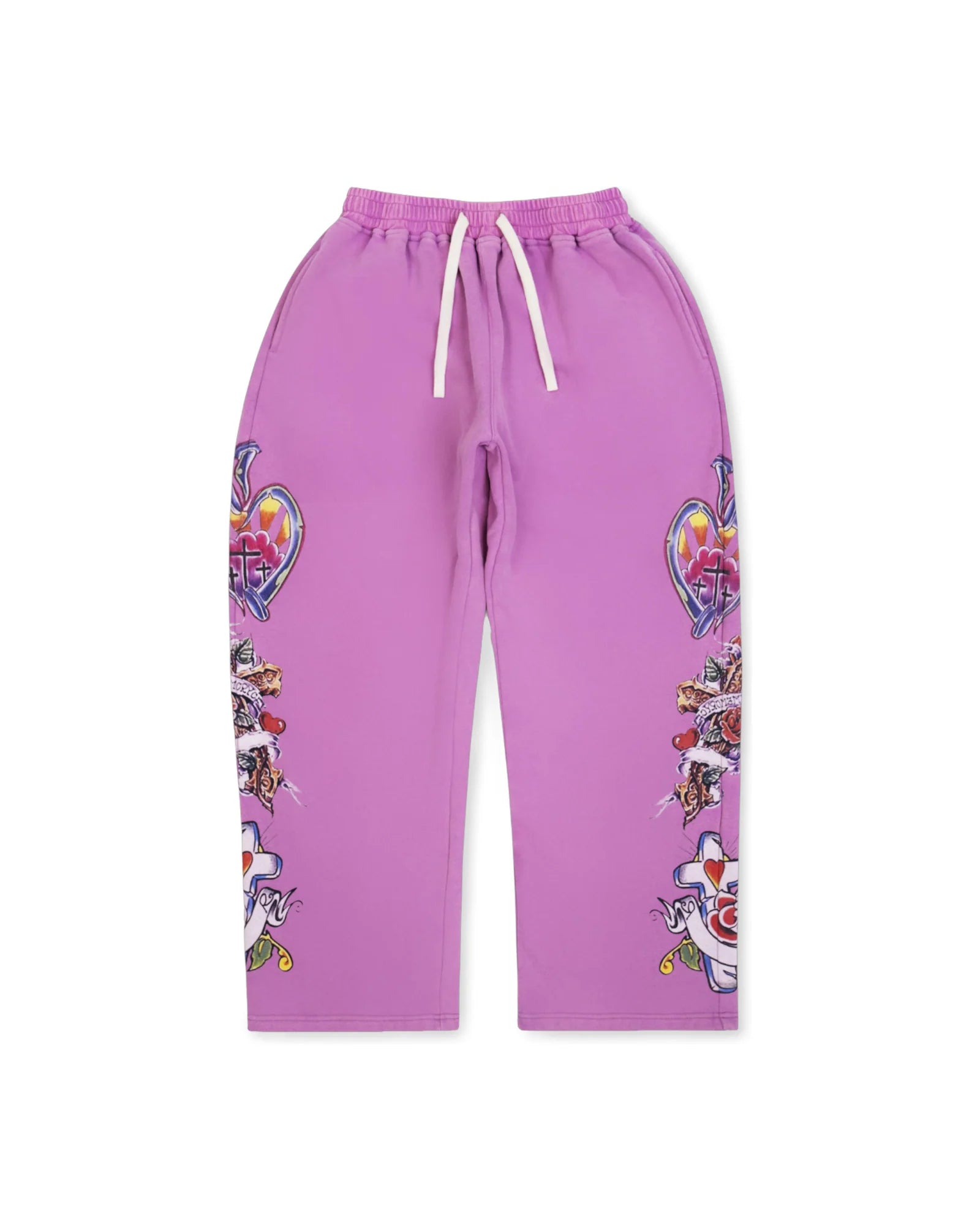
In the case of track pants We Are Righteous, which sells across several channels, this matters even more. Buyers going through a marketplace may have different expectations, return policies, and support experiences than those who buy directly. A we are righteous review posted on an outside platform might point to issues with that platform’s fulfillment process rather than the brand itself. Telling apart platform issues from actual product concerns is one of the smarter things a shopper can do before committing to an order in 2026, when so many brands operate across five or six sales channels at once.
On top of that, there’s a timing factor. Timing matters too: early write-ups generally emphasize unboxing moments and initial impressions, whereas write-ups posted three to six months out drills into staying power — seam integrity, fabric pilling, and whether prints crack after several wash cycles. Solid research gives weight to both categories, because a genuinely honest review posted right after launch tells you a different story than one posted after a full season of wear.
What Buyers Report Regarding Product Quality
Looking across the platforms examined here, product quality is the category with the strongest, most repeated approval. Shoppers frequently bring up the weight and feel of the fabric, especially with heftier items such as the Righteous hoodie line, describing the material as substantial rather than thin or see-through — a common complaint leveled at lower-cost streetwear rivals. Remarks on how the seams hold up through repeated washing also lean favorable, with several reviewers noting they’d worn a piece 15 to 20 times without visible wear at the seams.
Dye durability is another recurring theme. A number of buyers pointed out that printed designs held their shape and vibrancy after being run through the wash, which matters for a brand whose brand look leans on strong lettering and prominent logos. Still, not every write-up sings praises. A smaller percentage of buyers — clustered mostly on one social commerce platform — reported minor inconsistencies in sizing between batches, suggesting some production runs may vary slightly from others. It’s a detail worth noting rather than dismissing, since it affects a returning customer’s confidence in reordering the identical size.
Taking it all together, when you pull together the descriptive reviews, the general feeling around Righteous apparel craftsmanship sits solidly in positive territory, with construction gripes representing a small share rather than the norm. That’s a meaningful distinction for anyone comparing this brand against others in a crowded apparel market.
Sizing, Fit, and the Most Common Points of Confusion
When it comes to fit, opinions vary the widest. Some shoppers say the cut matches standard size charts closely, while others recommend sizing up for a looser, more streetwear-inspired fit. That’s not automatically a downside — plenty of streetwear labels deliberately design a looser fit — but it does mean new customers ought to check several reviews instead of trusting just one before picking their size.
Reviewers who chose a larger size particularly with the hoodie line tended to report greater happiness with the hang and length of the sleeves, while those who ordered their regular size in some cases discovered the fit tighter than anticipated, most noticeably across the shoulders.
This behavior is evident across more than one platform, indicating that this reflects a real trait of the design rather than an isolated batch issue.
Shorter customers, who sometimes mention excess length in the body or sleeves, tend to report less proportional fit than taller reviewers, because build and stature significantly influence these remarks.
The takeaway for shoppers browsing a we are righteous review before buying: pay attention to the reviewer’s stated size choice and body type, not just their star rating. A five-star review from someone who sized up means less if you’re planning to order true-to-size, and vice versa.
Time to Respond and Customer Service
Reviews focused on customer care are more dependent on the platform used than any other area in this comparison. Purchasers who got in touch straight through the brand’s in-house channels report generally faster resolution times compared to those who went through third-party marketplace intermediaries. Response times noted by reviewers range from acknowledgment within the day to several days for full resolution, depending on the complexity of the issue — a size swap compared with a claim over a damaged item, for example.
In peak periods like seasonal drops or holiday sales, wait times naturally increase, and this is where most complaints in this category tend to center. Upbeat write-ups, by contrast, regularly applaud support staff for taking a direct, problem-solving approach, particularly when handling returns tied to the fit discrepancies discussed above. These patterns imply its customer-service staff is generally responsive when reachable, but that surges in demand can introduce short-lived snags — a trend widespread among DTC clothing labels rather than something unique to this one.
Customers mindful of after-sale service should account for when they choose to buy: placing an order in a large-scale sale may lead to a somewhat extended delay for a support request versus ordering during a less busy shopping window.
Fulfillment Journey Spanning Various Retail Channels
Delivery feedback fluctuates more by sales platform than by season, which is a useful thing to be aware of if you’re deciding where to make a purchase.
Feedback posted on marketplace pages sometimes reflect the logistics providers the marketplace uses rather than anything under the brand’s direct control, and this becomes obvious when you compare comments about delivery next to one another.
Shoppers who bought direct report more uniform packaging quality, with several noting branded packaging and inserts that backed up the sense of purchasing from a recognized brand rather than a third-party reseller.
Reviewers describe delivery timeframes that run from a handful of business days for domestic orders out to extended stretches for overseas shipments — consistent with everyday apparel industry norms. A small number of write-ups mention slowdowns during high-volume shopping seasons, which is to be expected given how purchase volume jumps industry-wide around major sales events. The notable point is that hardly any reviews mention shipments that were lost or sent off-course — a positive sign for a brand whose logistics reputation could otherwise be a soft spot.
Platform-by-Platform Snapshot
To ground this comparison in specifics, here’s how overall tone splits out across the main categories shoppers touch on, based on the combined trends outlined above.
| Topic | Brand’s Own Storefront | Third-Party Marketplace Pages | Social-Selling Channels |
|---|---|---|---|
| Item Quality | Steadily strong | Mostly positive | Positive, some batch variance noted |
| Fit Accuracy | Mostly dependable | Uneven, sizing up is often suggested | Mixed, fit varies by body type |
| Buyer Support | Fast, solution-oriented | Delayed, contingent on third-party handling | Uneven, though direct messaging helps |
| Fulfillment Experience | Consistent, arriving in branded packaging | Dependent on marketplace logistics | Mostly timely |
The Takeaway for Buyers Sizing Up the Righteous Clothing Brand
Putting all of this together, the picture that emerges is a brand with genuinely strong core products, some expected fit-related fluctuation, and a support experience that works best when customers go straight to the source. This is a reasonably common profile for a up-and-coming apparel label in 2026, when most brands are managing multiple sales channels and the feedback ecosystem that follows from that.
If you’re weighing a purchase and weighing which channel to buy through, the evidence here points toward ordering directly when possible, especially if a hassle-free support experience and reliable packaging matter to you. If you do buy through a marketplace, read recent reviews tied to that particular listing rather than presuming they reflect the brand’s direct storefront. As for sizing, cross-check a couple of reviews from buyers with a similar build to your own before deciding whether to order true-to-size or size up.
Ultimately, the range of reviews across platforms tells a consistent narrative rather than a conflicting one: dependable materials, a fit that rewards a little research, and support that’s at its best closest to the source. That’s useful, actionable information for anyone weighing whether We Are Righteous should be part of their next order.