The Structured vs Loose-Silhouette Bag Silhouettes: A Closer Look
Over the course of decades, Salvatore Ferragamo has sharpened the vocabulary of Italian leather goods, and this mastery shows through most clearly in the tension between two opposing design philosophies: the disciplined geometry of structured bags set against the relaxed ease of slouchy silhouettes.
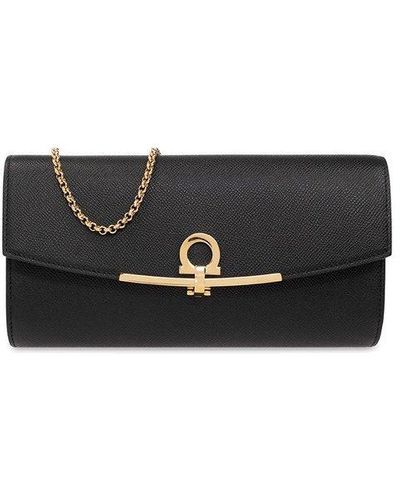
Visitors to a Ferragamo shop at present will notice that the house doesn’t pick a side. Instead, it builds parallel wardrobes of accessories, one rooted in architecture, the other in movement.
Understanding the difference matters if you want to pick a piece that will actually earn its keep in everyday use rather than gather dust in storage.
This split between the two isn’t skin-deep. Relying on built-in frames, firmed-up panels, and meticulous seams, structured bags keep a set silhouette no matter how full or empty they become. On the flip side, slouchy bags lean on gentler, pliant materials and a more relaxed build, letting the bag fold and settle differently depending on how it’s carried. Both approaches show up across the present-day Ferragamo bags range, and both have loyal followings for reasons that couldn’t be more different. Laying out what separates the two, where the construction differs, and which styles from the brand’s existing range lean into each category is the goal of this article.
Tailoring Terms—What “Structured” In Practice Means
An architecturally built Ferragamo bag is built from a rigid base, commonly supported by a firm board or compact foam padding sewn between two layers of leather. It’s this feature that lets the bag hold its position on a surface, neither slumping nor caving in. Within the current lineup, the Ferragamo Studio bag stands out as the best illustration—its boxy silhouette, sharp corners, and top handle rely completely on this inner framework. Take away the structural support, and the leather would lose its shape entirely, falling flat.
Hardware plays a bigger role in structured pieces than most shoppers assume. These structural elements all require a firm body to anchor into, since leather without backing fails to handle recurring strain at a concentrated area without warping or ripping over time. That’s why structured bags from Salvatore Ferragamo tend to feature more substantial closures, whereas slouchy styles rely more on zips or magnetic snaps that don’t require the same anchoring strength.
The choice ferragamo leather shoulder bag of leather changes as well. Structured designs for the most part use full-grain or minimally treated hides that hold a crease line precisely where it’s cut, giving an edge that feels crisp and nearly sculptural. It’s partly why structured bags shoot so uniformly — the silhouette stays the same from photo to photo, a detail that counts for a Ferragamo shop working to depict a product truthfully online. The downside is added weight; structured bags tend to weigh more than their slouchy equivalents because of the reinforcement built inside them.
Lastly, structured bags tend to hold their secondhand value more reliably. Because the form doesn’t deteriorate the way soft leather can slump or wrinkle with age, a structured Salvatore piece bought now is better positioned to appear well-kept in five years with minimal upkeep. For those viewing a Ferragamo bag as a lasting investment piece rather than a one-season pickup, this is a sensible point to weigh.
Making the Argument for Slouchy: Softness, Gentle Texture, and Everyday Livability
Wearability takes precedence over structure in slouchy bags, so this exchange proves beneficial. A pliable skin, typically napa leather or a faintly textured calf leather, flexes in sync with the body rather than fighting it, which is why softly draped hobo and shoulder bags stay in demand for the daily commute. The Ferragamo Wanda, in its softer iterations, exemplifies this — it grows roomier without ever appearing overloaded, as the hide is built to flex rather than hold firm.
Slouchy construction also changes the way heft is spread out. Reduced heaviness is a byproduct of fewer structural and reinforcing elements inside, which becomes significant during long stretches of wear when it remains balanced on a single shoulder. People looking into the best Ferragamo bags for travel tend to favor slouchy styles precisely since they can be squeezed down a bit to fit into carry-on luggage rather than retaining a rigid, bulky form.
The aesthetic argument counts as well. Those who prefer their Salvatore Ferragamo bags blend into everyday outfits rather than draw obvious notice are well served by relaxed, unstructured bags, which come across as more understated and less conspicuously logo-driven. With denim, tailored trousers, and other looks, a rigid, structured piece would clash visually with the overall look, which is why this soft, unstructured hang works particularly well.
There’s an aspect of durability that deserves an honest mention. Softer leather hides is more prone to surface creasing and wrinkled texture over the course of ownership, most notably if the bag goes unstuffed for stretches or not stored with care. It shouldn’t suggest it breaks down at a faster rate structurally speaking, but its look will shift more visibly than a more rigid design. Anyone wanting a soft-shaped bag to keep its just-bought appearance following years of wear need to take extra care in using tissue paper to hold its shape during storage.
The Side-by-Side Breakdown of the Two Strategies
It helps to look at how structured and slouchy Ferragamo bags typically compare across the factors that matter most to a real buyer: shape retention, weight, everyday flexibility, and how they age.
| Point of comparison | Tailored-Shape Styles | Soft-Silhouette Styles |
|---|---|---|
| Silhouette hold | Maintains a set shape irrespective of its load | Silhouette shifts depending on how it’s loaded and held |
| Typical weight | Heavier due to internal reinforcement | Lighter, more comfortable for all-day wear |
| Ideal setting | Professional settings, formal events, minimalist wardrobes | Travel, casual daily use, outfits built in layers |
| How it wears over time | Keeps sharp edges through extended use | Builds up gentle wrinkling; character-driven patina |
| Fittings | More noticeable clasps, frames, and fastenings | More understated zippers or magnetic closures |
| Upkeep requirements | Low — the form holds on its own | Requires stuffing to guard against set-in folds |
Neither column is objectively superior; what works best depends entirely on how someone actually lives with a bag day to day. A car commuter working in a formal office setting will likely rely more on a structured style, while someone navigating public transit or frequent travel will likely find a slouchy bag less fatiguing over time.
Breaking Down the Present-Day Ferragamo Bags Category Breakdown by Category
Looking across the present Ferragamo bags overview, the house organizes its lineup loosely into three usage-based tiers: structured top-handle styles for professional and formal occasions, crossbody-and-shoulder pieces that split the difference between rigidity and relaxation, and loose, hobo-inspired bags built for roominess and comfort. This category system means a buyer can move between categories as the occasion demands without fully exiting the brand’s range.
The top-handle category is where Ferragamo’s sartorial background is most evident. This category often echo Ferragamo’s precision in footwear — sharp edges, even, balanced stitching, and hardware finished to match the leather tone exactly. If a buyer is building a shortlist of top-tier Ferragamo bags for office environments, this category tends to lead the way because of how consistently the shape presents in meetings or on a desk.
Crossbody designs occupy the midpoint and are arguably the most flexible in the present collection. These pieces generally rely on a semi-structured construction: sturdy enough to keep its form worn close in, but with enough give in the strap and side panels to keep from appearing rigid. This tier is often named among the label’s leading bags for shoppers seeking a piece that looks good in photos and holds up through a busy day.
Completing the collection are slouchy hobo and tote styles, the group where Ferragamo leans hardest into soft leather sourcing. With bigger leather sections and minimal stitching, firmness eases while the leather’s character shines through, since less stitching competes for attention. Shoppers weighing top Salvatore Ferragamo pieces by tier will likely find this softer tier leads in comfort but falls behind in formal-occasion versatility.
How to Choose Between the Two for Real-World Use
The smartest method to decide is to audit your own week rather than your ideal fantasy. Count how many days you’re seated at a desk versus moving between locations, and be honest about whether you’re the type to unload their bag each night or keeps it packed for weeks at a stretch. Routine and predictable use are what structured bags reward, while adaptability and forgiveness of inconsistency are the strengths of softer, unstructured styles.
Price considerations also shape this decision, if indirectly. Given that structured bags need more components — inner reinforcement, structural lining, reinforced hardware mounts, precise panel cutting — they tend to require greater production effort, which can be mirrored by how a Ferragamo shop prices comparable sizes across the two categories. It’s not an absolute pattern, but it’s a tendency worth keeping in mind if price weighs into the decision alongside design preference.
Contrary to what most shoppers assume, climate and regional habits play a bigger role. Where humidity runs high, more pliable, unstructured leathers can take on more dampness and require more conditioning, while structured bags with treated or coated leather panels tend to hold up somewhat better against the elements. Anyone shopping ferragamo bags for year-round use in a variable climate should factor this into the decision rather than choosing purely on appearance.
When it comes down to it, plenty of Ferragamo owners eventually acquire one of each — a structured bag reserved for formal or unpredictable moments, and a soft-shaped bag for daily routines that face no real scrutiny. This combination mirrors the way the brand approaches its own collections: not as one singular perspective, but as two coherent answers to two different everyday problems, each carried out with an identical dedication to Italian leather craftsmanship that has shaped Salvatore Ferragamo since it was founded.